One governed workflow from business meaning to implementation.
Capture concepts, relationships, definitions and rules once. Use guided AI to generate and refine conceptual, logical and physical models, then create documentation, semantic models, data contracts and DDL from the same approved context.
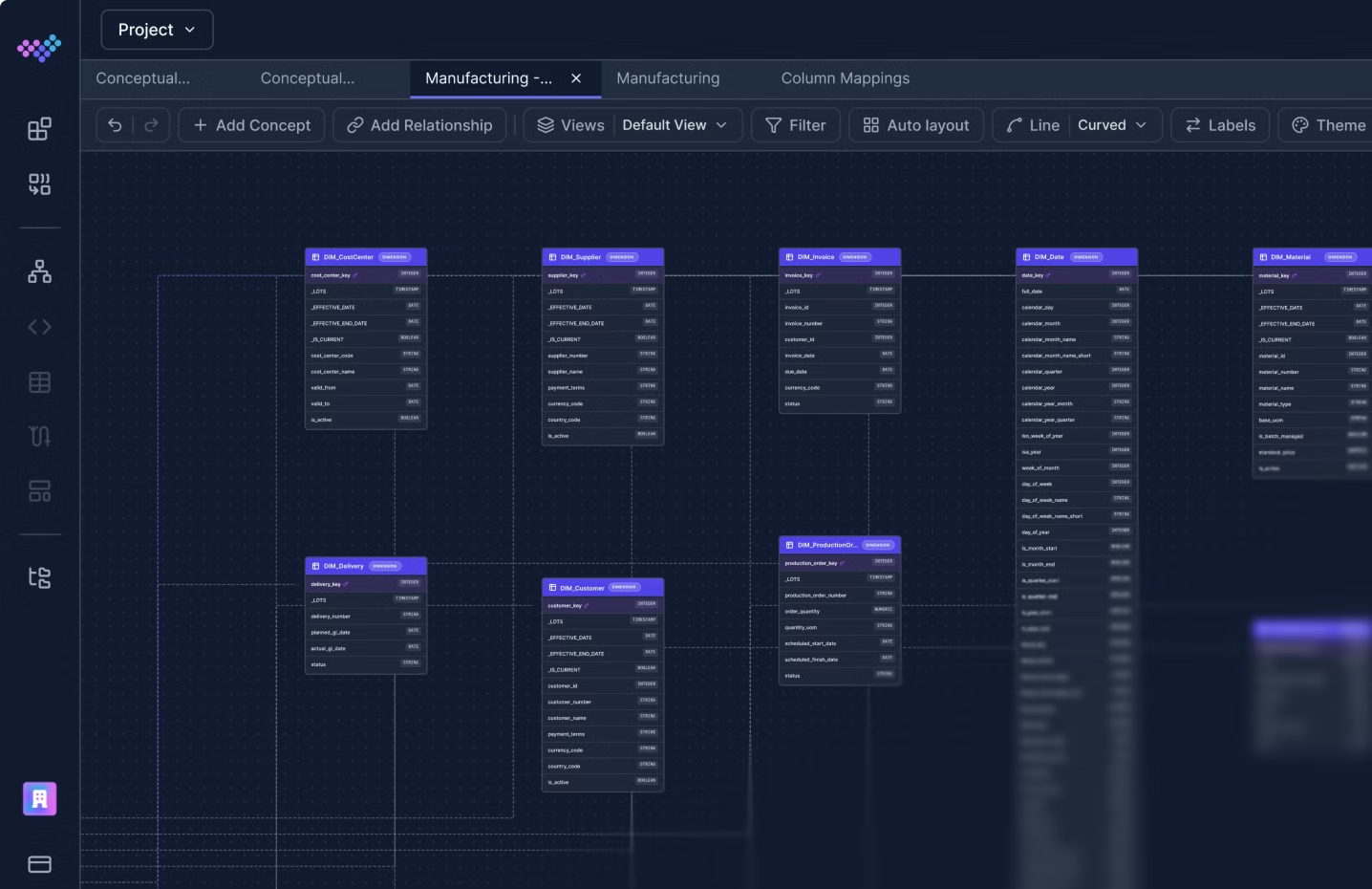
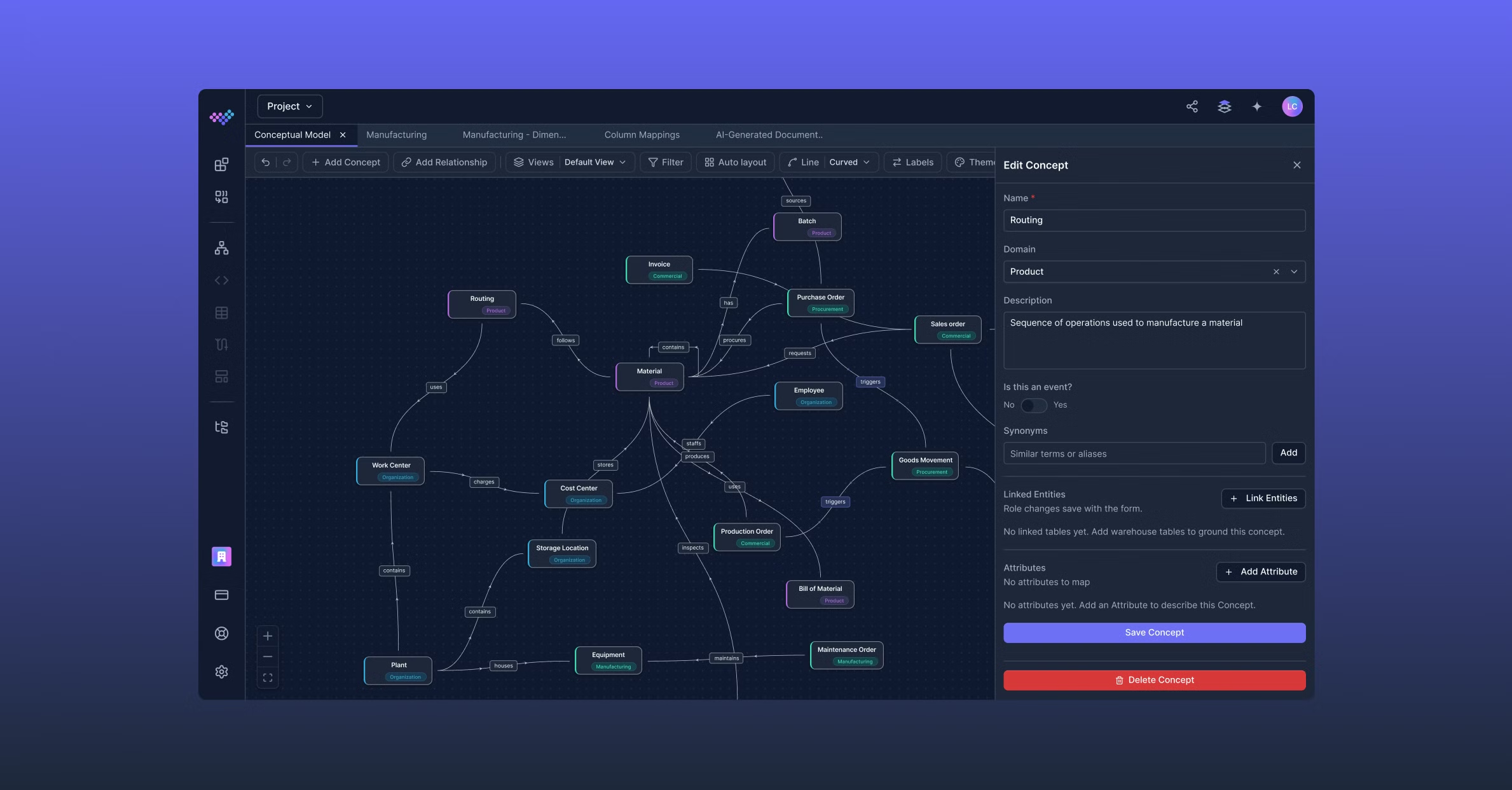
Model what the business means before deciding how the data should look.
Capture domains, business concepts, events, relationships, definitions, synonyms, and attributes on a shared canvas. Link concepts to physical entities so the same approved meaning can guide logical, physical and semantic modeling.
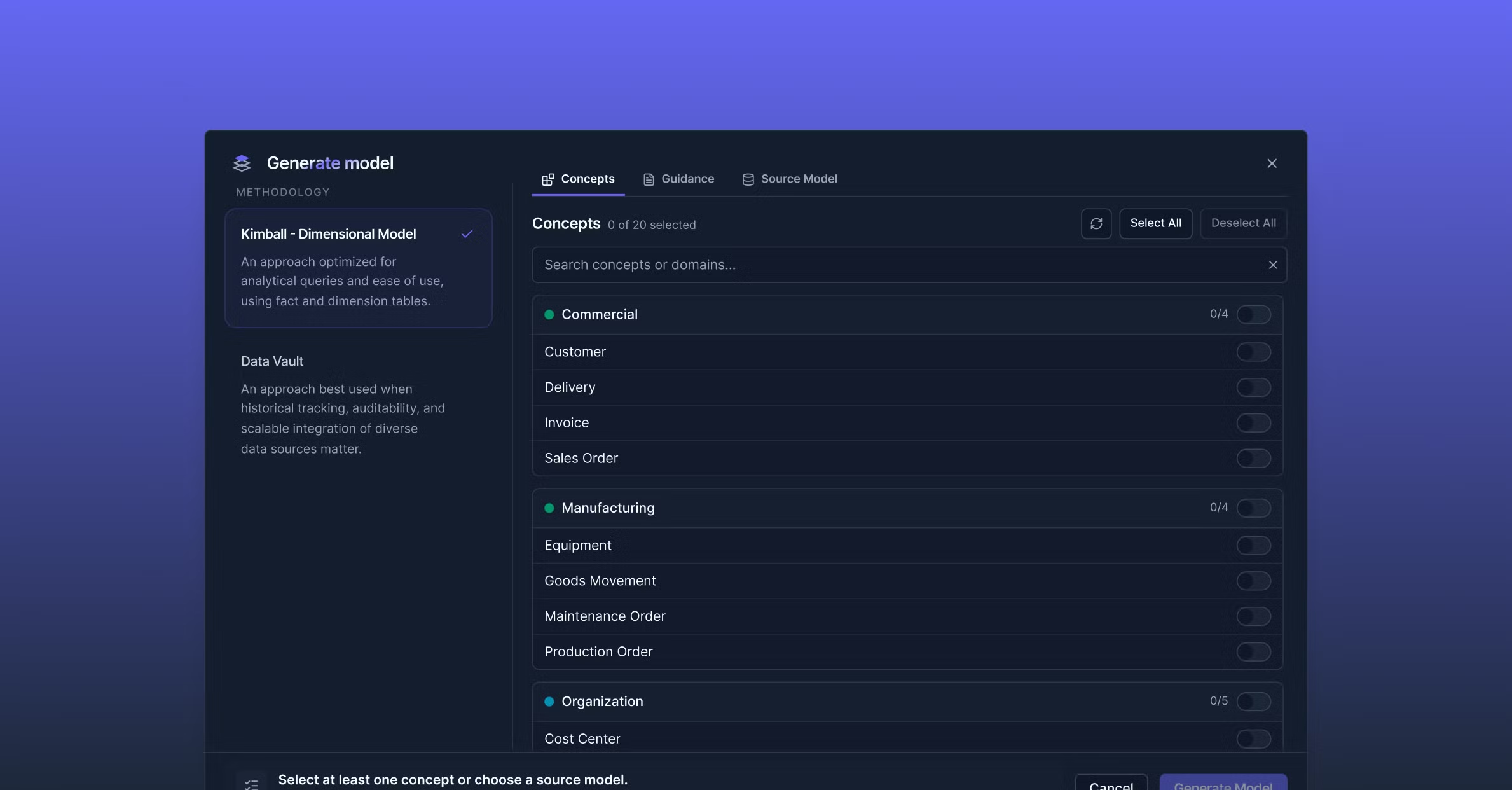
Generate a reviewable dimensional or data vault design in minutes.
Generate a new logical and physical model from the conceptual model, a source ERD, or both. Choose Kimball or Data Vault, add custom instructions, and apply the project's naming rules. Generation also creates supporting documentation and column mapping lineage.
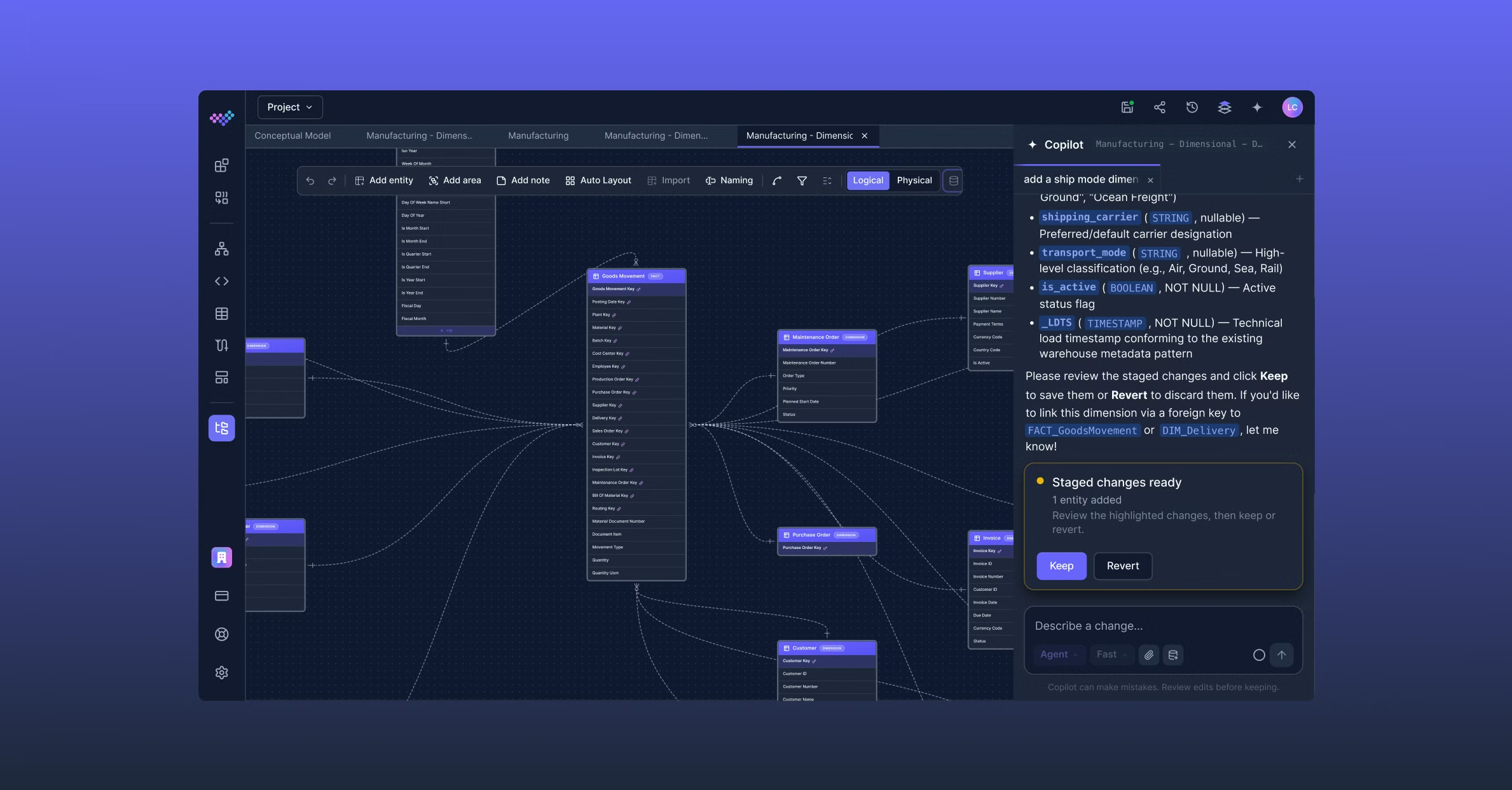
Work with AI without giving up control.
Use Ask mode to explore the model and Agent mode to propose edits to concepts, relationships, entities, attributes, keys and documentation. Attach files or warehouse tables for extra context. Every edit is staged on the canvas for the modeler to inspect, keep or revert before it becomes part of the project.
Turn approved business meaning into trusted analytical context.
Assemble semantic models from the business concepts and physical entities already maintained in the project. Add metrics, dimensions and validate readiness, reconcile source drift, and generate portable OSSIE definitions and platform native artifacts for Snowflake and Databricks.
Publish downstream expectations without rewriting them by hand.
Generate a governed data contract from the approved business and physical model context. Carry structure, definitions, ownership, quality expectations and transformation rules into a portable artifact that producers, consumers and coding agents can retrieve and review.
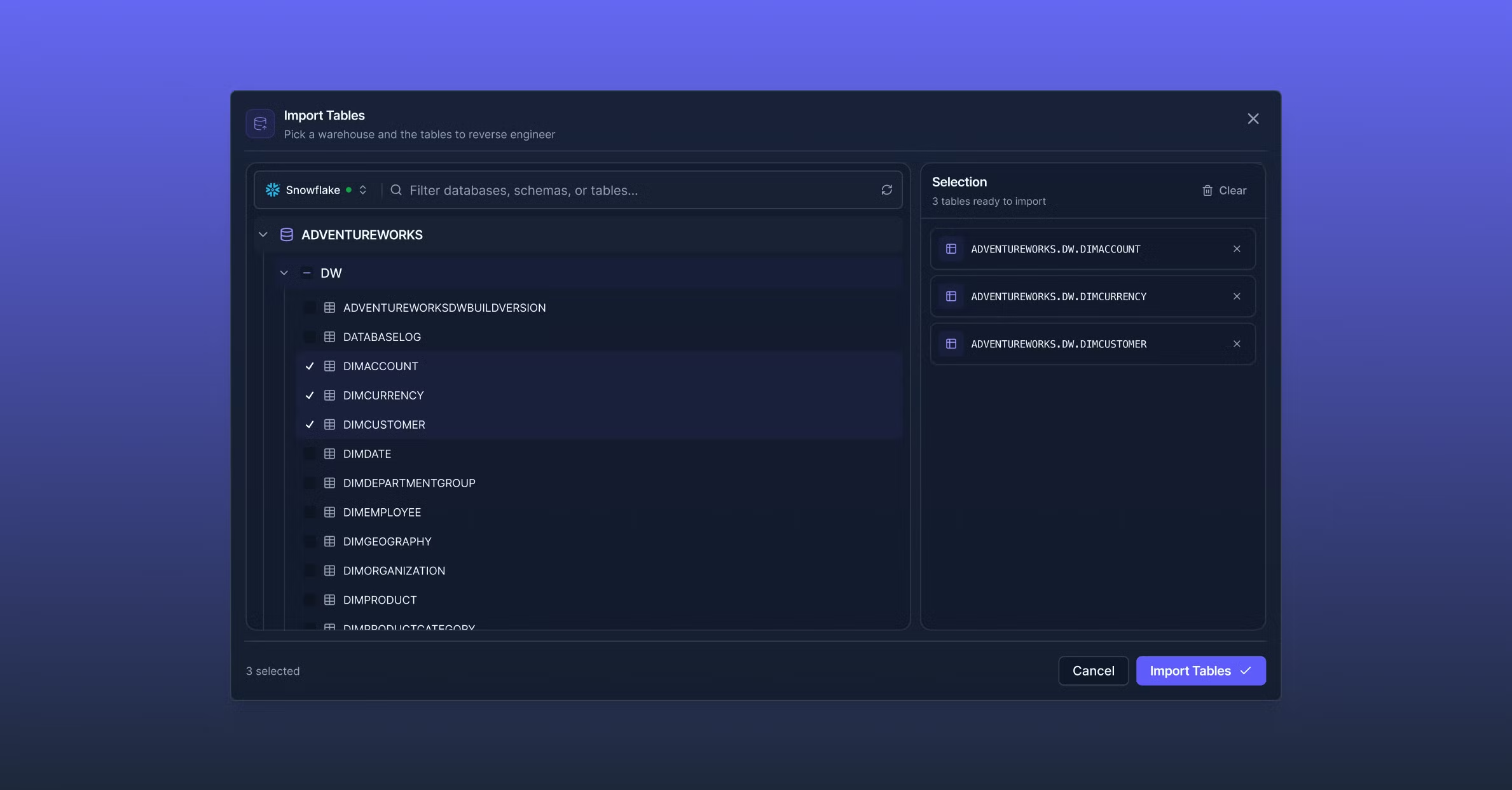
Turn the warehouse you have into a model you can improve.
Import schemas from live Snowflake and Databricks connections, DDL or DBML. Create a new diagram or bring selected tables into an existing one, then document, reshape and connect the result to the wider modeling context.
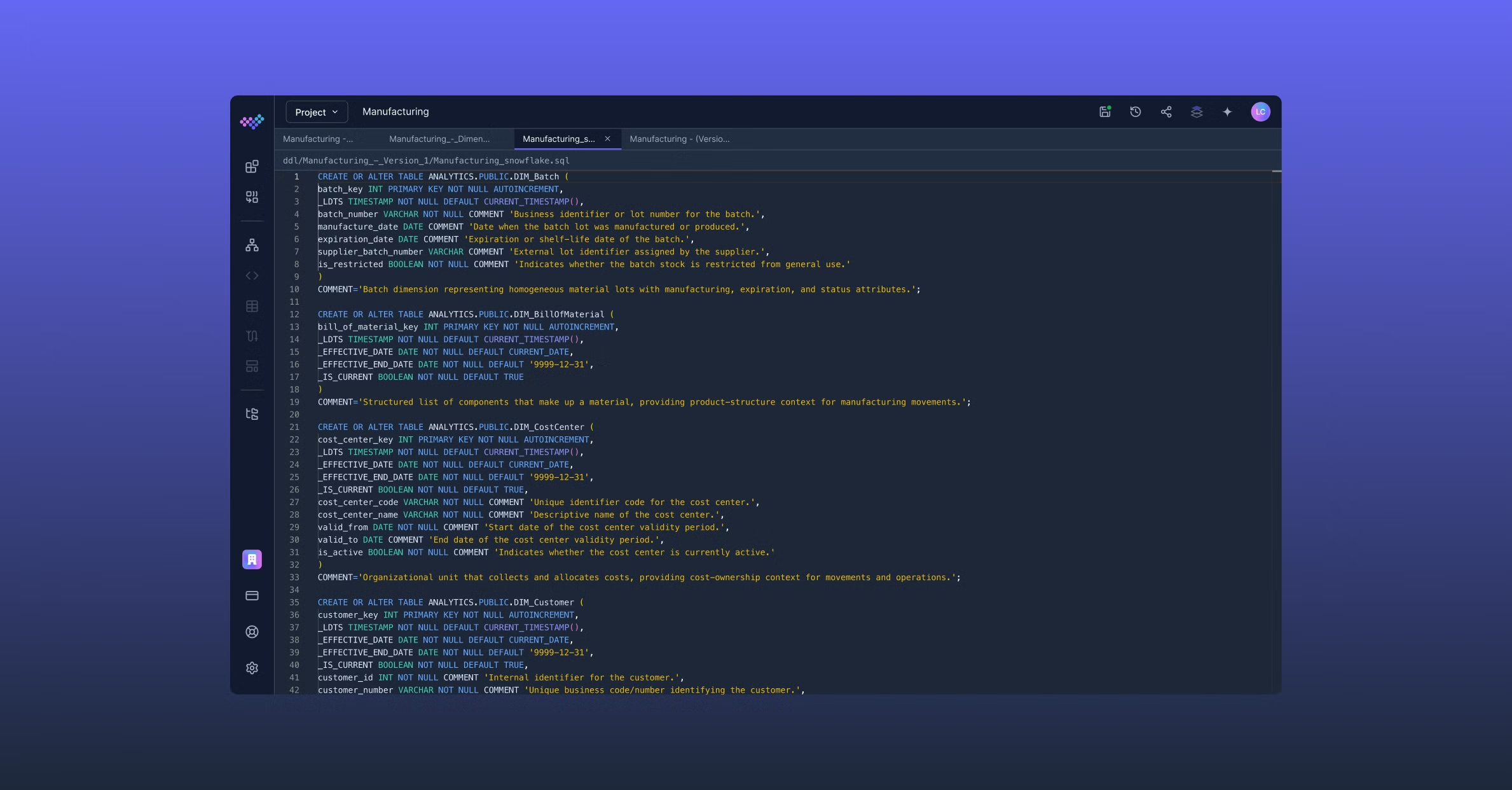
Move from approved design to implementation-ready SQL.
Generate warehouse-specific DDL from a physical model. The SQL is an editable artifact keeping table, column, key, constraint and comment definitions traceable to the design.
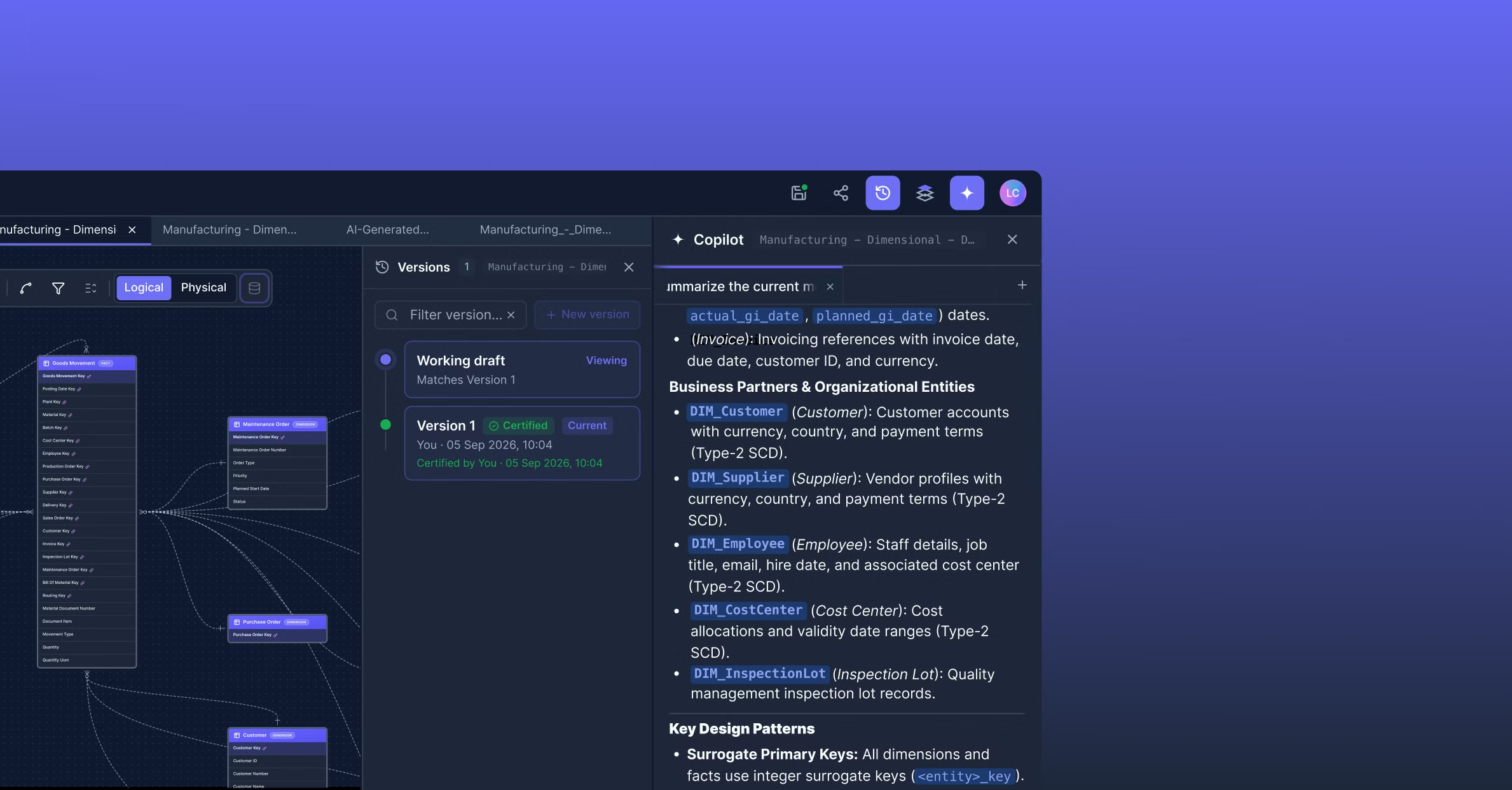
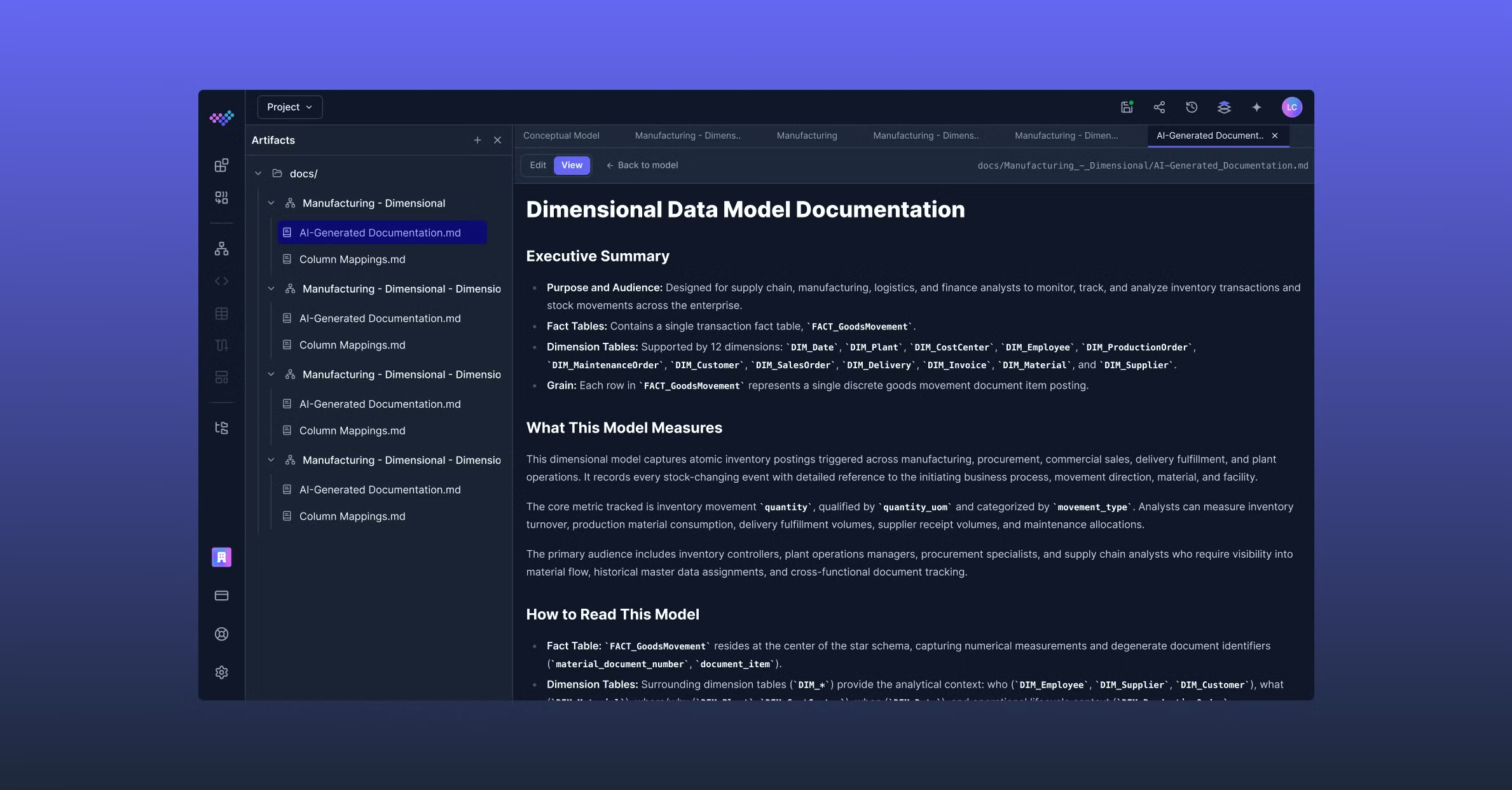
Keep the explanation beside the model it describes.
Create and edit Markdown documentation inside the same project as the diagram. Ask Copilot to stage a draft, or use the AI-generated documentation and column mappings created during model generation. Save versions, certify an approved snapshot and restore an earlier version when needed.
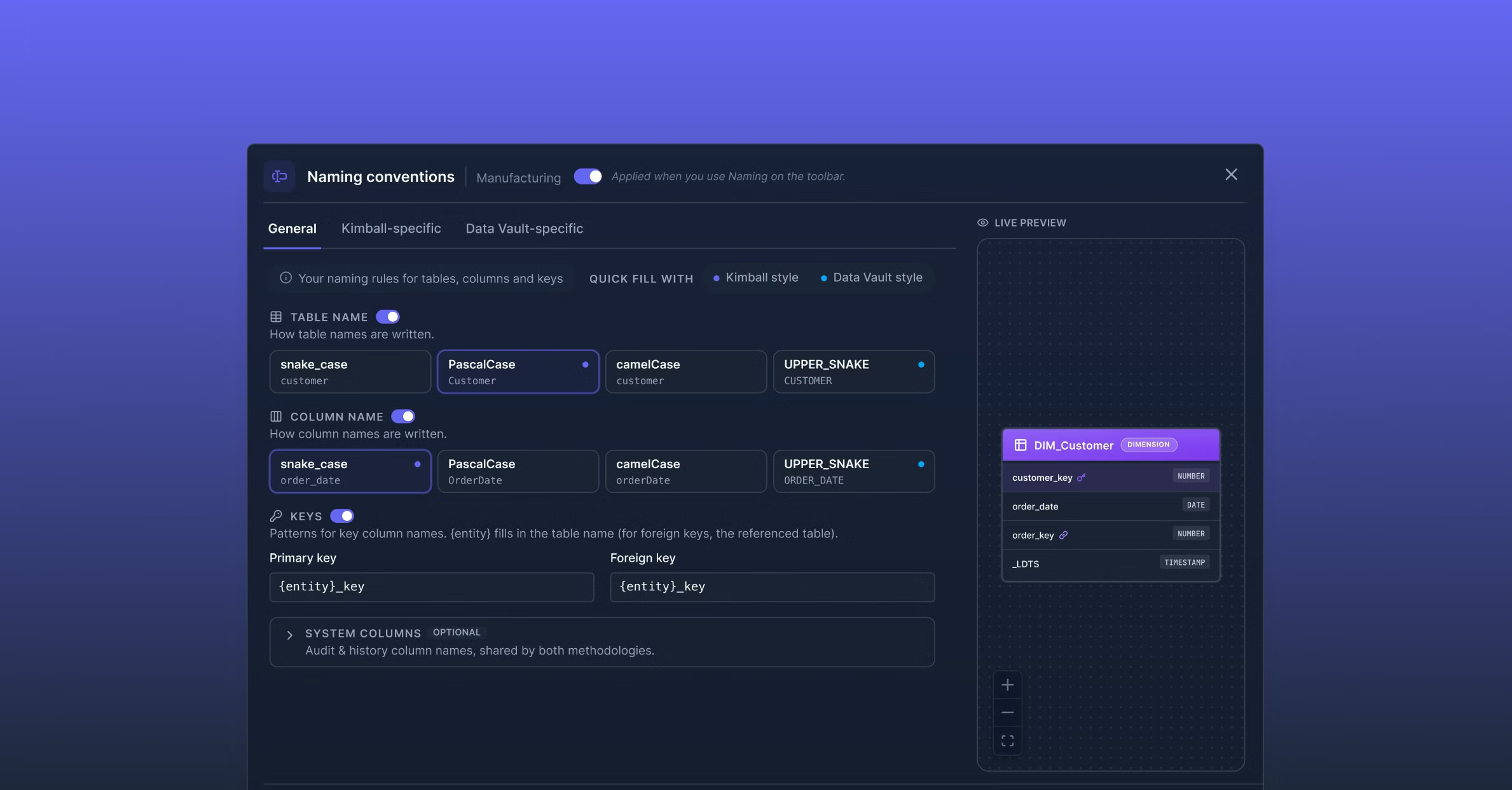
Apply the same naming rules to every generated model.
Define project-wide case styles, table and column rules, primary and foreign key patterns, system columns, and Kimball- or Data Vault-specific prefixes, suffixes and key conventions. Preview the result live, use the rules during generation and Copilot work, then review highlighted renames before applying them to an existing diagram.
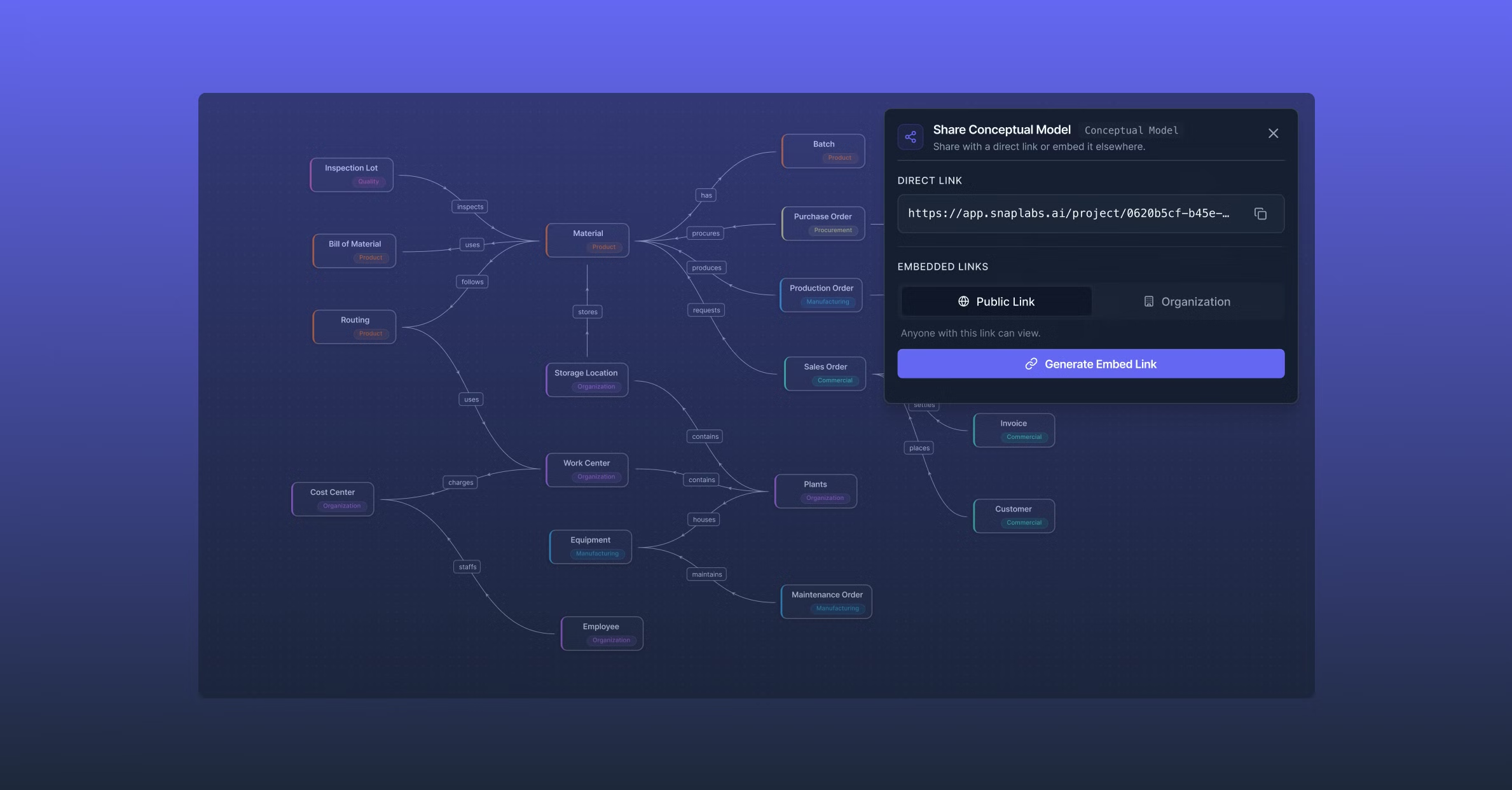
Share the model without sharing the whole workspace.
Send a direct link to the canvas or publish as an embeddable link for internal wikis. Stakeholders can inspect the design in reviews, documentation and project conversations without needing access to the full Data studio experience.